

Alor’s Wisma Raya II and Festival Aladin 2026 framed as tourism driver
Alor’s 2026 Pekan Wisma Raya II and Festival Aladin are being framed as platforms to boost tourism, culture and small businesses in Nusa Tenggara Timur, with early visitor and turnover estimates but limited public detail on long-term…
By Mukmin John
Editor: Mursyid Sonsang
· Event date: · 4 min read
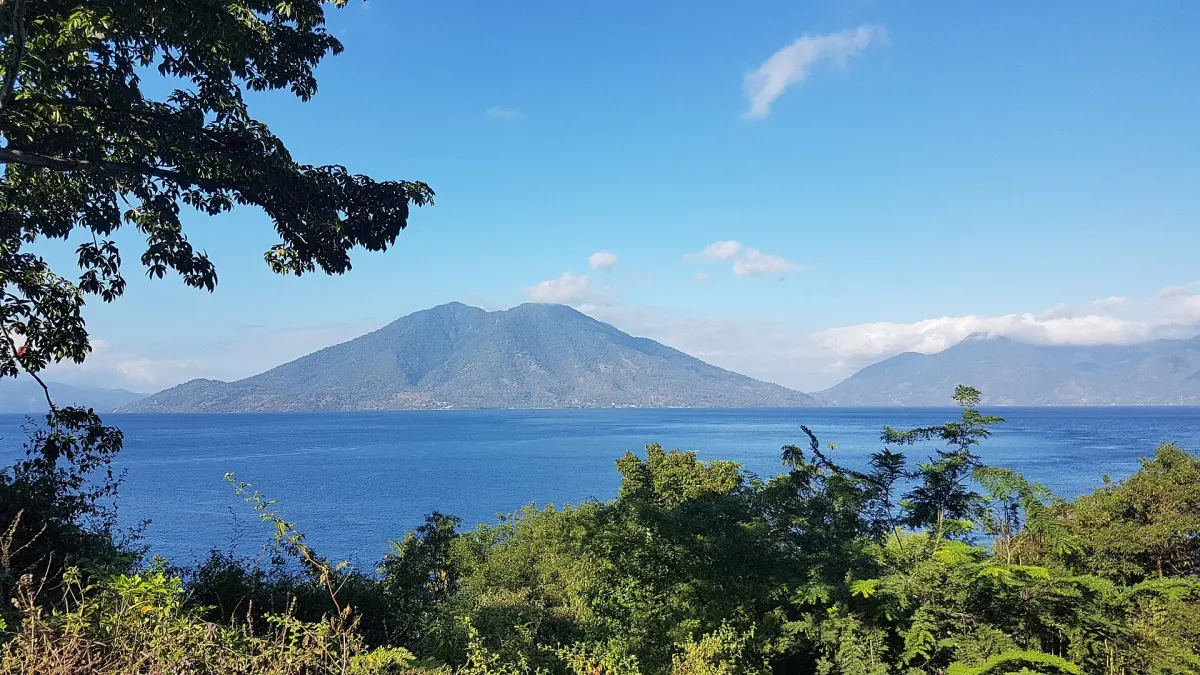
Labuan Bajo — Nusa Tenggara Timur is promoting tourism in Alor as a driver of local economic activity, using the six-day Pekan Wisma Raya II and the three-day Festival Aladin 2026 as platforms for culture, small businesses and destination marketing, according to local government and media reports.
Pekan Wisma Raya II, themed "Wisata Maju, Rakyat Sejahtera" (Advanced Tourism, Prosperous People), ran from 9 to 14 September 2026, with activities concentrated at Stadion Mini Kalabahi and additional events at Batu Nirwala and Alor Kecil village in Alor Barat Laut district.
The programme brought together the Alor administration, tourism officials, residents, micro, small and medium-sized enterprises, creative communities and other participants to promote tourism, arts and culture, sports and local economic activity.
According to provincial and district officials, Alor’s natural and marine landscapes, cultural diversity, traditional textiles, food, handicrafts and seafood are seen as assets that can be combined into a fuller visitor experience that benefits residents.
From attractions to spending
The proposed model goes beyond sightseeing.
Local authorities and community partners framed Wisma Raya II and Festival Aladin as opportunities for visitors to encounter traditions, eat regional food and buy products made in Alor, creating more points at which spending can enter the local economy.
Event agendas included gastronomic showcases of local dishes and ingredients, cultural performances, traditional sports, marine tourism activities and bazaars featuring woven textiles, food products, handicrafts and seafood sold by small enterprises and informal vendors.
Officials highlighted the participation of micro and small businesses and street vendors, positioning the events as part of a broader effort to link tourism with enterprises that do not directly operate hotels or tours.
In public remarks, provincial representatives called for continuity beyond the festival dates, urging ongoing support for product development, packaging, marketing, skills training and digital promotion so that businesses can serve visitors and reach customers beyond Alor.
Participation and early economic signals
The participation model described by officials extends beyond government and business associations.
Local media reports cite calls for collaboration among entrepreneurs, creative communities, young people, customary and religious leaders and residents in developing tourism and the creative economy.
Youth were encouraged to use creativity and social media to promote the island’s natural attractions, culture, food and other local potential, placing digital storytelling alongside physical events and product development in the tourism strategy.
Post-event coverage reported that Wisma Raya II and Festival Aladin drew an estimated 25,000 to 35,000 visitors over five nights, including residents from all 18 subdistricts, domestic tourists and foreign visitors.
Based on organiser estimates, the combined events generated more than Rp1.6 billion in turnover from food, small businesses and other economic activities, suggesting that at least some spending reached producers and vendors.
Local legislators have since urged that Wisma Raya be developed into a larger-scale event with national reach, indicating that district-level actors see the festivals as a strategic platform for promoting tourism, culture and the creative economy.
Scope and unanswered questions
While the reported visitor and turnover figures offer early signals of economic impact, authorities have not publicly detailed how income was distributed among participating businesses or how many enterprises took part.
Available accounts focus on the themes and activities of Wisma Raya II and Festival Aladin but do not specify formal visitor or sales targets, nor do they list individual villages, cooperatives or community groups by name.
Officials have emphasised the importance of ongoing business assistance, better product quality, improved packaging and stronger marketing, as well as using digital tools to promote Alor’s destinations and community-based products.
However, publicly reported information does not yet include a baseline for measuring whether these efforts increase local income over time or detailed plans for how enterprises will be selected and supported after the festival.
Separately, the provincial government has promoted concepts such as product value-add and wider market access through initiatives like regional product platforms, positioning Alor’s textiles and culinary specialties as part of a broader tourism and economic strategy.
The next test for Alor’s tourism push will be whether the momentum from Wisma Raya II and Festival Aladin translates into sustained support for local enterprises, clearer targets and stronger monitoring of how tourism benefits residents and the environment.
Sources
Next story
BMKG Warns of 3.5m Waves off South Sumba Through 19 September
Indonesia’s BMKG maritime station in Kupang warns of moderate to high waves across key Nusa Tenggara Timur routes from 17 to 20 September 2026, with t…
Related