

MSM Maps Path to Around 10,000 Hectares of Sugarcane by 2031
PT Muria Sumba Manis, part of the Djarum Group’s agribusiness arm, is building out an integrated sugarcane plantation and mill in East Sumba, with investment of about Rp9.2 trillion and a medium‑term target of roughly 10,000 hectares of…
By Pandi Muktar
Editor: Mursyid Sonsang
· 3 min read
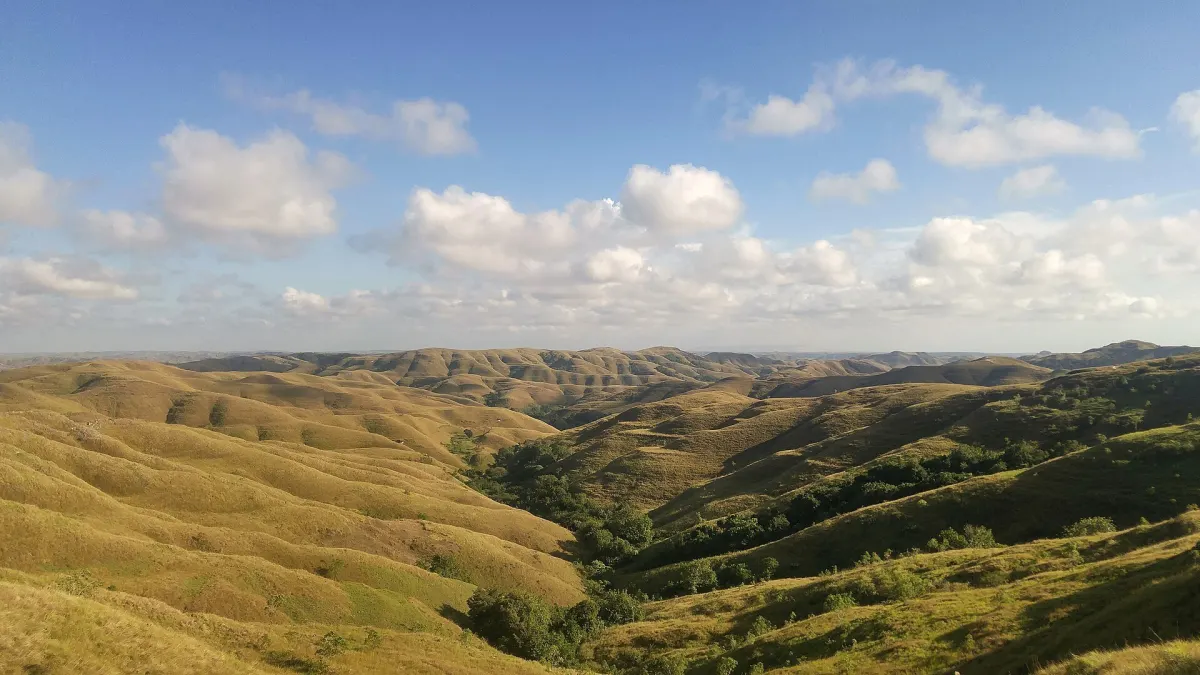
Waingapu — PT Muria Sumba Manis (MSM), a sugarcane plantation and processing company under the Djarum Group’s agribusiness arm, is expanding its integrated operation in East Sumba, East Nusa Tenggara, with a medium‑term target of cultivating around 10,000 hectares of sugarcane by around 2030–2031, according to company representatives and local media reports.
MSM operates in Wanga village, Umalulu district, East Sumba, as an agribusiness focused on sugarcane farming and sugar manufacturing. The company’s investment in the project has been reported at approximately Rp9.2 trillion, covering the development of an integrated plantation and mill area of about 20,000 hectares under a 30‑year land‑use arrangement.
According to a December 2024 report from Pos Kupang, MSM’s planted sugarcane area had reached 4,321 hectares across three plantation blocks in East Sumba. The same report cites company plans to expand land by roughly 1,000 hectares per year, with the goal of reaching about 10,000 hectares of planted area by 2030. Other local coverage of the project describes the broader 20,000‑hectare development as part of MSM’s ambition to become a major sugar supplier at the national level.
Integrated plantation and factory
MSM’s project combines a large‑scale plantation with a modern sugar mill and refinery, described by several Indonesian outlets as the first modern integrated sugar factory in East Nusa Tenggara. The mill is located within the plantation area in Wanga and is designed to process cane from the company’s own fields.
Company and media accounts state that MSM’s facilities are planned with a processing capacity of up to 12,000 tons of cane per day. In practice, the factory has been reported as operating at an initial capacity of about 6,000 tons of cane per day, with expansion stages aimed at reaching the 12,000‑ton level. The project includes a cogeneration power plant and irrigated plantation systems, with contractors noting the use of sub‑surface drip irrigation and other infrastructure to support large‑scale sugarcane cultivation.
The mill began full operations around 2020, according to national and local business reports and articles referencing company information. MSM’s plant is expected to produce up to about 1,200 tons per day of white crystal sugar and refined sugar at full design capacity during the harvest season. Industry coverage notes that MSM is among five new sugar factories contributing to national sugar output, with individual mills in the group typically operating at 8,000–12,000 tons of cane per day during harvest periods.
Products, technology and regional impact
MSM produces white crystal sugar for the domestic market, refined crystal sugar for industrial buyers, and by‑products such as molasses and bagasse. Company and contractor materials describe the facility as using fully automated control systems and a decolorization unit, aimed at meeting quality standards for business‑to‑business sugar sales.
Local media report that MSM’s operations rely heavily on local workers and are positioned as a driver of economic development in East Sumba. Pos Kupang notes that the company prioritises local labour, with expansion of planted area expected to increase demand for workers and support wider rural economic activity around the plantations and factory. Regional outlets and officials have also linked MSM’s investment to Indonesia’s broader push for increased sugar self‑sufficiency by the late 2020s.
As of mid‑2026, MSM has continued to report incremental growth in cultivated area and production, with seasonal harvest and milling campaigns framed as milestones in the company’s long‑term plan to reach roughly 10,000 hectares of planted sugarcane by around 2030–2031.
Sources
Next story
Indonesia, Japan advance forestry, carbon and Komodo dragon cooperation
Indonesia and Japan are expanding cooperation on tropical forests, mangrove management, carbon investment and wildlife conservation, including a Komod…