
Why agriculture still matters to Flores and its surrounding seas
Official figures show agriculture’s large role in East Flores and NTT, while national fisheries data place the surrounding seas in a wider production system that must be read carefully.
· 2 min read
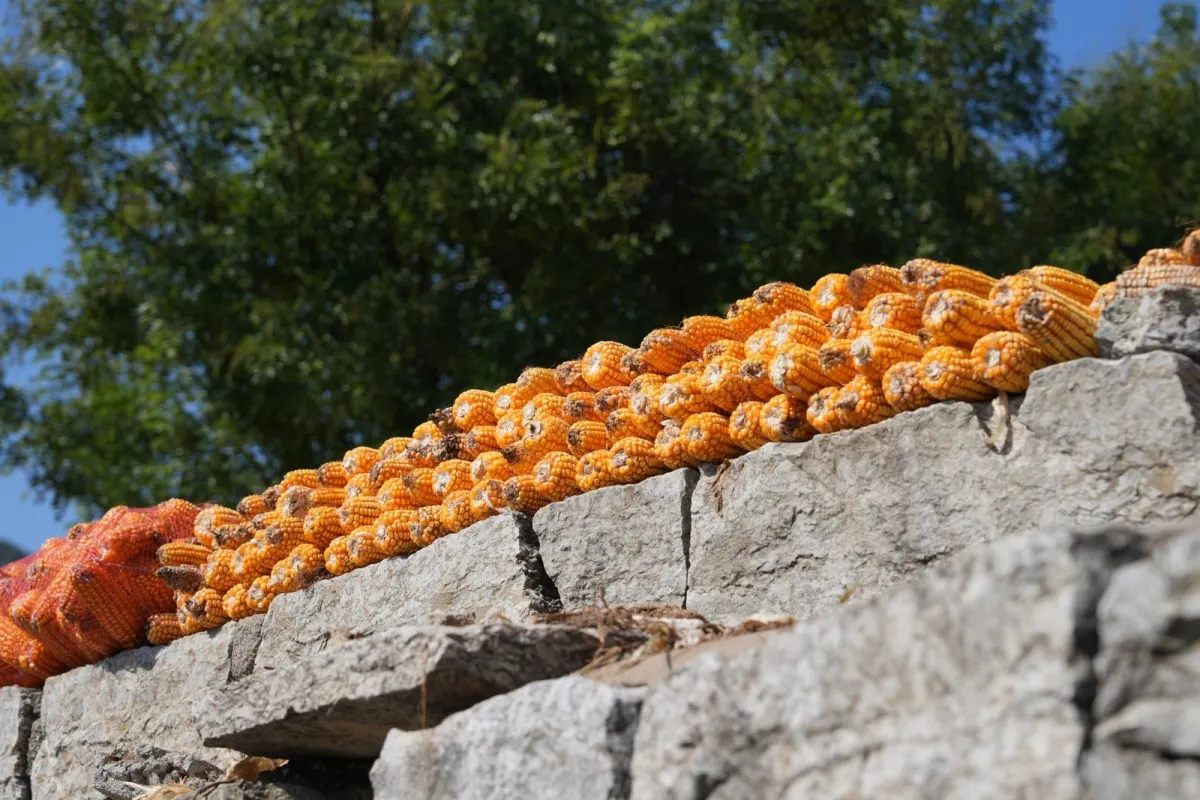
Flores’ rural economy remains closely tied to agriculture, while fishing and aquaculture form part of the wider Nusa Tenggara Timur economy. Official data show why food crops, farm livelihoods and marine production matter across the island and surrounding seas, but the figures measure different areas and cannot be combined into one Flores total.
How important is agriculture to Flores?
Agriculture, forestry and fisheries accounted for 29.04% of East Flores Regency’s gross regional domestic product, according to Statistics Indonesia’s East Flores data published in 2025, using the latest figure shown for the regional economy. The same source says 48.4% of residents aged 15 and over worked in agriculture in 2023.
That makes farming a major part of the local economy, although the East Flores figures describe one regency rather than the whole island. They also combine agriculture, forestry and fisheries for the production share, while the employment figure covers agricultural work.
Which crops dominate East Flores?
East Flores’ principal food crops in 2023 were rice, maize, peanuts, cassava, sweet potatoes and mung beans, according to Statistics Indonesia’s 2025 publication. Cassava and maize were the dominant crops by production among those six.
Cassava had productivity of 139.11 quintals per hectare, while mung beans recorded 6.53 quintals per hectare, the same source reports. These are productivity measures, not total island-wide harvests.
How does the wider NTT economy compare?
A separate analysis citing Statistics Indonesia puts agriculture, forestry and fisheries at about 28.87% of Nusa Tenggara Timur’s 2024 gross regional domestic product, according to a 2026 academic publication. The province-wide figure broadly reinforces agriculture’s economic weight but should not be treated as an East Flores statistic.
The distinction matters for Flores and nearby islands: provincial data cover NTT as a whole, including islands and regencies beyond Flores, while East Flores data provide a more local view.
What role do the surrounding seas play?
The Ministry of Marine Affairs and Fisheries reported 5.87 million tonnes of national fisheries production in the first quarter of 2025, comprising 1.69 million tonnes of capture fisheries and 4.17 million tonnes of aquaculture. Those figures are for Indonesia, not Flores or NTT.
For NTT specifically, Statistics Indonesia reported a capture-fisheries farmer exchange index of 92.84 in August 2025, up 1.22% from the previous month. The index tracks changes in prices received and paid by fishers; it is not a production total or a direct measure of household welfare.
Sources
Read next
More on this story

Marine & Diving
BMKG warns of hazardous seas in NTT waters from 7 to 10 October
BMKG warned of moderate waves in southern NTT waters from 7 to 10 October, with higher seas possible in western Sumba Strait and safety risks for ferr…
Latest in Flores & Beyond

Related