
Komodo National Park zoning: where tourism, fishing and ships are allowed
Komodo National Park uses seven zones to separate strict protection, tourism, traditional livelihoods, research and marine use, with permits and activity limits varying by zone.
· 3 min read
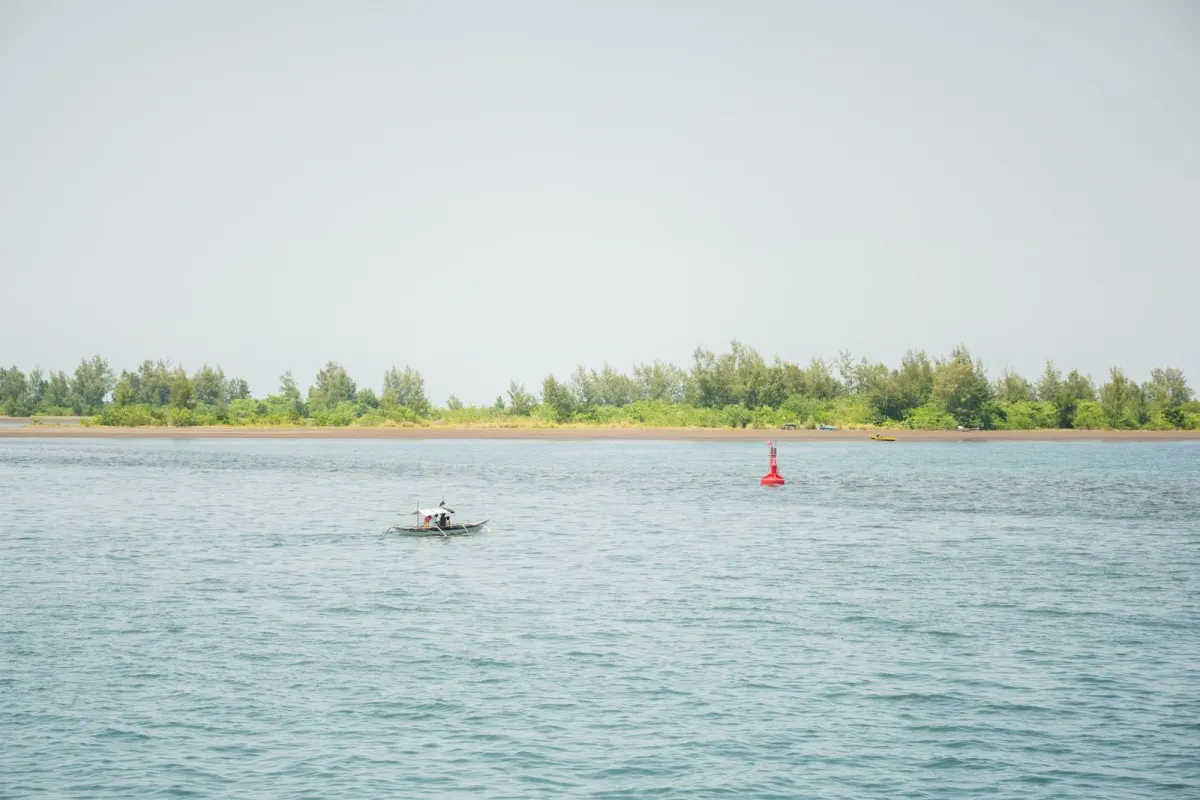
Komodo National Park is managed through zones rather than one uniform set of rules. The zoning system separates core protection, limited tourism, tourism use, traditional use, pelagic use, research and training, and traditional settlement areas; activities such as tourism, fishing, vessel passage and resource collection depend on the zone.
Why does zoning matter in Komodo National Park?
Zoning applies to both terrestrial and marine habitats, according to the park authority’s zoning page, updated in 2026. Its stated purpose is to match permitted activities with the conservation sensitivity and use of each area.
The system is based on Decree 74/Kpts/Dj-VI/1990 and Law No. 5 of 1990, according to the same park authority source. The park identifies 7 zone types, including a core zone, a wilderness zone with limited tourism, a tourism-use zone, traditional-use and pelagic-use zones, a special research and training zone, and a traditional settlement zone.
Where is tourism allowed?
Tourism is strictly prohibited in the core zone, according to the park authority. In the wilderness zone with limited tourism, tourism is subject to special regulations and sub-zoning, while tourism in the tourism-use zone requires permits.
Temporary accommodation may be allowed in tourism-use and traditional-use zones, but the park authority says such facilities depend on an environmental impact assessment. The zoning page also states that facilities for park management in the tourism-use zone are subject to that assessment.
Can people fish or collect marine resources?
Harvesting living marine resources is permitted only in the traditional-use and pelagic-use zones, according to the park authority. Traditional-use areas can allow fishing at designated sites with small-scale gear and restrictions, while pelagic-use areas can allow recreational, subsistence and commercial pelagic fishing subject to limits on gear, species and location.
The pelagic zone prohibits the capture of demersal species and lists several prohibited marine invertebrate groups, including Nautilidae, Sepiidae and Octopodidae, according to the zoning rules. Activities in these zones remain subject to permits and, where required, environmental impact assessment.
What activities are prohibited across the park?
The park authority lists anchoring outside designated areas, collecting legally protected species, damaging marine or terrestrial habitat, keeping dogs or cats, and disposing of waste outside designated locations among prohibited activities.
The same source also prohibits harvesting fuel wood and using cyanide, poisons, hookah, scuba or explosives for fishing in the park. Free passage for ships is permitted only in pelagic and traditional-use zones; vessels entering the wilderness zone require special licences.
How does this support conservation?
The zoning approach reserves the core, wilderness, tourism-use and special research and training zones as no-take zones, according to the park authority. In those zones, harvesting or mining living and dead natural resources is strictly prohibited.
The national conservation agency reported that Indonesia’s conservation areas recorded 5.3 million visitors in 2022, according to the Directorate General of Conservation of Natural Resources and Ecosystems’ 2022 statistics. That national figure does not identify Komodo National Park alone, but it shows why access rules and zone-specific controls form part of wider conservation management.
Sources
Read next
More on this story
Komodo National Park
How Komodo National Park rules protect wildlife while managing tourism
Komodo National Park uses zoning, wildlife surveys, patrols and carrying-capacity controls to balance tourism with protection of an endangered dragon…
Latest in Komodo National Park
Today’s top story
Related