
Komodo National Park zones: what visitors can do on islands and at sea
Komodo National Park’s islands and dive sites do not share one blanket access rule. Its zoning system determines where tourism, boat passage, fishing and conservation restrictions apply.
Editor: Mursyid Sonsang
· 3 min read
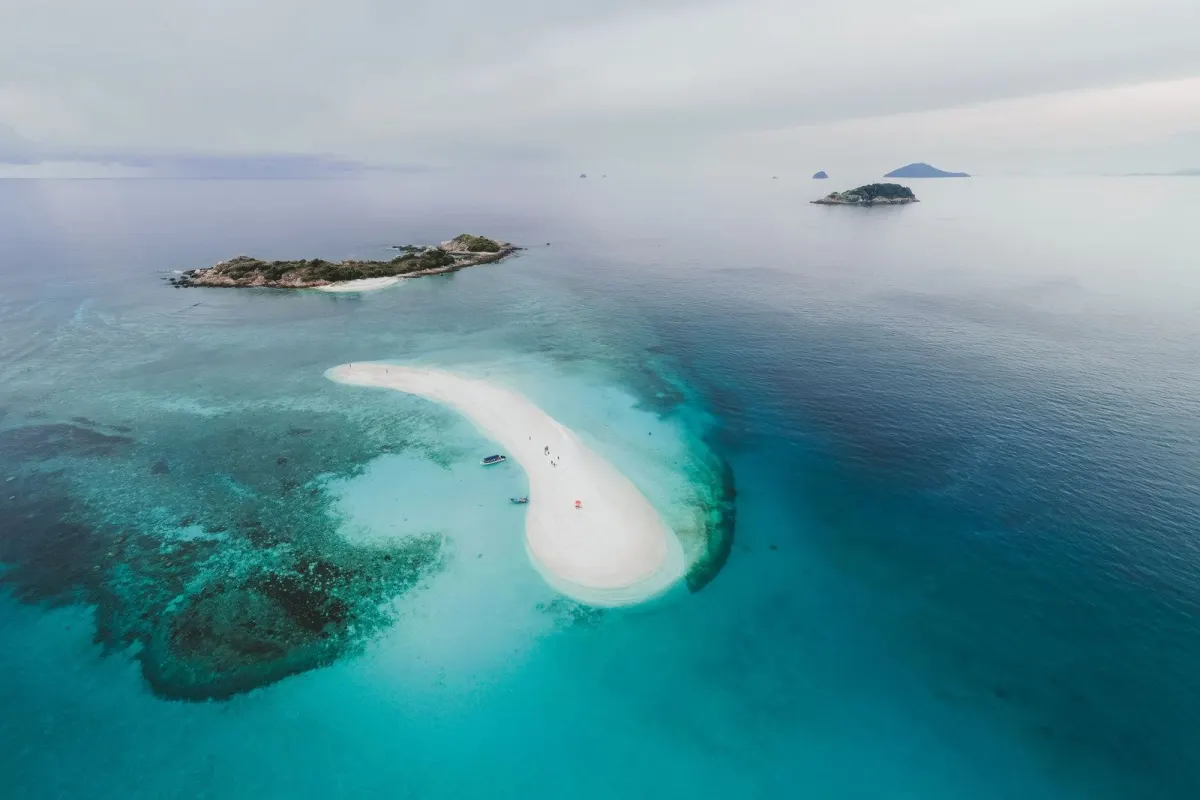
Komodo National Park is not governed by one blanket rule for every island and marine site: activities depend on the zone. Tourism is prohibited in the Core Zone, while passage, fishing and tourism are regulated differently in the Pelagic, Traditional Use, Wilderness and Tourism Use zones, according to the park’s zoning guidance.
Why does zoning matter for island visits?
The zoning system separates conservation, tourism and traditional use across the park’s land and sea areas. The park’s official zoning page identifies seven zone types, including Core, Wilderness with Limited Tourism, Tourism Use, Traditional Use, Pelagic Use, Special Research and Training, and Traditional Settlement zones.
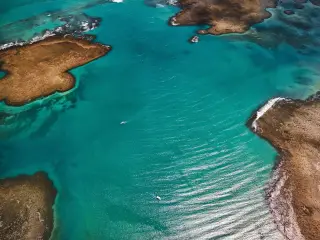
The park’s total area is 1,817 square kilometres, according to the park’s official overview. That area includes terrestrial and marine environments, so a rule applying to a landing site may differ from one applying to the surrounding waters.
Where is tourism prohibited?
Tourism is strictly prohibited in the Core Zone, according to the park’s zoning guidance. The Core Zone, Wilderness Zone with Limited Tourism, Tourism Use Zone and Special Research and Training Zone are described as no-take zones, meaning harvesting or mining of living and dead natural resources is prohibited.
The same guidance distinguishes tourism from resource extraction: tourism may be permitted in designated zones under rules and permits, while conservation restrictions continue to apply.
Can boats pass through every zone?
No. Free passage of ships into and through the park is permitted only in the Pelagic Use Zone and Traditional Use Zone, according to the official zoning page.
Vessels seeking to enter the Wilderness Zone require special licences. This makes the zone designation relevant to marine routes as well as to visits on land.
What activities are allowed in the use zones?
The Tourism Use Zone allows tourism with permits, temporary accommodation subject to an environmental impact assessment, and facilities for park management subject to the same assessment framework, according to the park’s zoning guidance.
The Traditional Use Zone allows tourism and temporary accommodation under permits and conditions, as well as mariculture, captive breeding and fishing at designated sites using small-scale gear. The official guidance says these activities remain subject to restrictions and environmental assessment requirements.
Indonesia’s conservation agency lists Komodo National Park activities including trekking, beach exploration, wildlife observation, snorkelling, diving, birdwatching and research. The agency’s portal also presents these activities within the park-management framework rather than as permission to undertake them everywhere.
What does this mean for Pink Beach and dive sites?
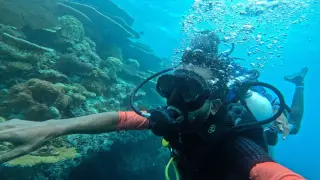
Pink Beach is identified on the park’s official dive-site information as a snorkeling and diving location with mooring buoys. The same page says Karang Makasar is for snorkeling only because diving could disturb manta rays, illustrating why site-specific marine rules matter alongside the wider zoning system.
Access conditions can therefore depend on the site, the activity and the zone, rather than on the island’s name alone. The official zoning page says special regulations and sub-zoning are to be designed for tourism in the Wilderness Zone with Limited Tourism.
Sources
Read next
More on this story
Marine & Diving
How big is Komodo’s marine zone, and how are reefs monitored?
Komodo’s marine zone is vast, while reef health is tracked through a defined network of underwater monitoring sites. The official figures show the sca…
Latest in Islands & Spots

Today’s top story
Related