
Komodo National Park islands: how zoning shapes access and activities
Komodo National Park access is shaped by land-and-sea zoning: core areas exclude tourism, while several visitor and vessel activities require permits or zone-specific permission.
Editor: Mursyid Sonsang
· 3 min read
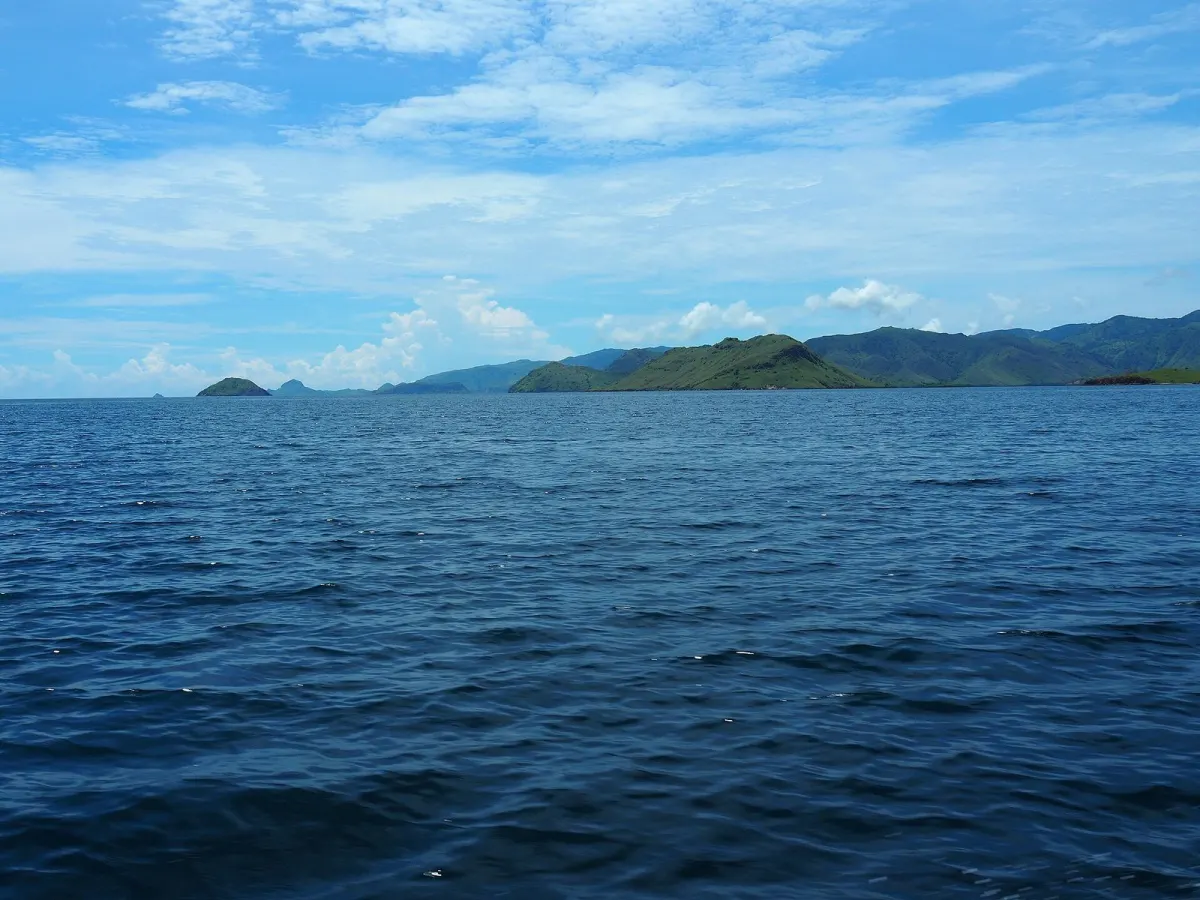
Komodo National Park’s islands and surrounding waters are managed by zones, so access depends on the activity and the zone rather than on a single park-wide rule. Tourism is prohibited in the Core Zone, while tourism in limited-tourism and tourism-use zones requires permits, according to the park authority.
Can visitors go everywhere in the park?
No. The park’s zoning system covers both terrestrial and marine habitats, according to Komodo National Park’s official zoning page, updated 2026. The page identifies six zone types, including Core, Wilderness with Limited Tourism, Tourism Use, Traditional Use and Pelagic zones.
Tourism is strictly prohibited in the Core Zone. In the Wilderness Zone with Limited Tourism and the Tourism Use Zone, tourism is allowed only with permits; the park authority also says special licences are needed for vessels entering the Wilderness Zone.
What activities are allowed at sea?
Free passage of ships into and through the park is permitted only in the Pelagic and Traditional Use zones, according to the park authority. Harvesting living marine resources is permitted only in the Traditional Use and Pelagic zones, subject to the applicable restrictions and permits.
The zoning page lists anchoring except in designated areas, damaging marine or terrestrial habitat, disposing of waste outside designated places, and fishing with cyanide, poisons, hookah or explosives among prohibited activities. These rules apply to the protected area, not just to a particular beach or dive site.
How significant is tourism around Labuan Bajo?
Tourism demand is recorded at the regional level as well as through park access. BPS East Nusa Tenggara reported 25,155 foreign-visitor arrivals to the province in July 2025, alongside 981,528 domestic trips to Nusa Tenggara Timur, according to BPS, 2025.
BPS also reported that Komodo Airport in Labuan Bajo recorded an increase of 234 flights in July 2025, while the airport’s passenger increase was 29,539, according to BPS, 2025. Those figures describe regional transport and tourism activity; they are not a count of visits to an individual island or beach.
What should readers check before planning an island or marine visit?
The key question is the zone and the activity: a beach stop, vessel passage, diving, fishing and other uses do not automatically have the same permission. The park authority’s zoning page says tourism and other activities in several zones are subject to permits, restrictions and, in some cases, environmental-impact assessment requirements.
That makes the official zoning designation more useful than treating Padar, Pink Beach, Kanawa or another named spot as having one universal access rule. The applicable permission can depend on whether the site lies in a tourism-use, limited-tourism, traditional-use or marine zone.
Sources
Read next
More on this story
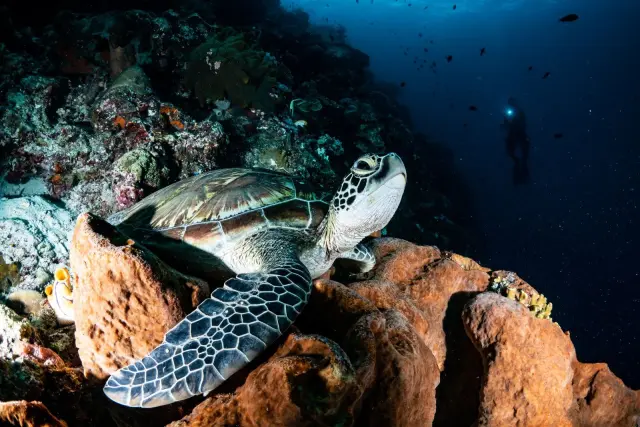
Marine & Diving
BMKG warns of moderate waves around Labuan Bajo and Komodo
BMKG warned that 1.25–2.5-metre waves could affect waters around Labuan Bajo and Komodo National Park through 6 October 2026. Winds of 4–25 knots may…
Latest in Islands & Spots
Today’s top story

Related