
Komodo diving currents: how to read forecasts and site warnings
Komodo’s dive sites are governed by tide-linked currents that can produce drift, down-current and surge conditions. Official forecasts and site guidance show why wave height alone is not enough to assess a dive.
By Pandi Muktar
Editor: Mursyid Sonsang
· 2 min read
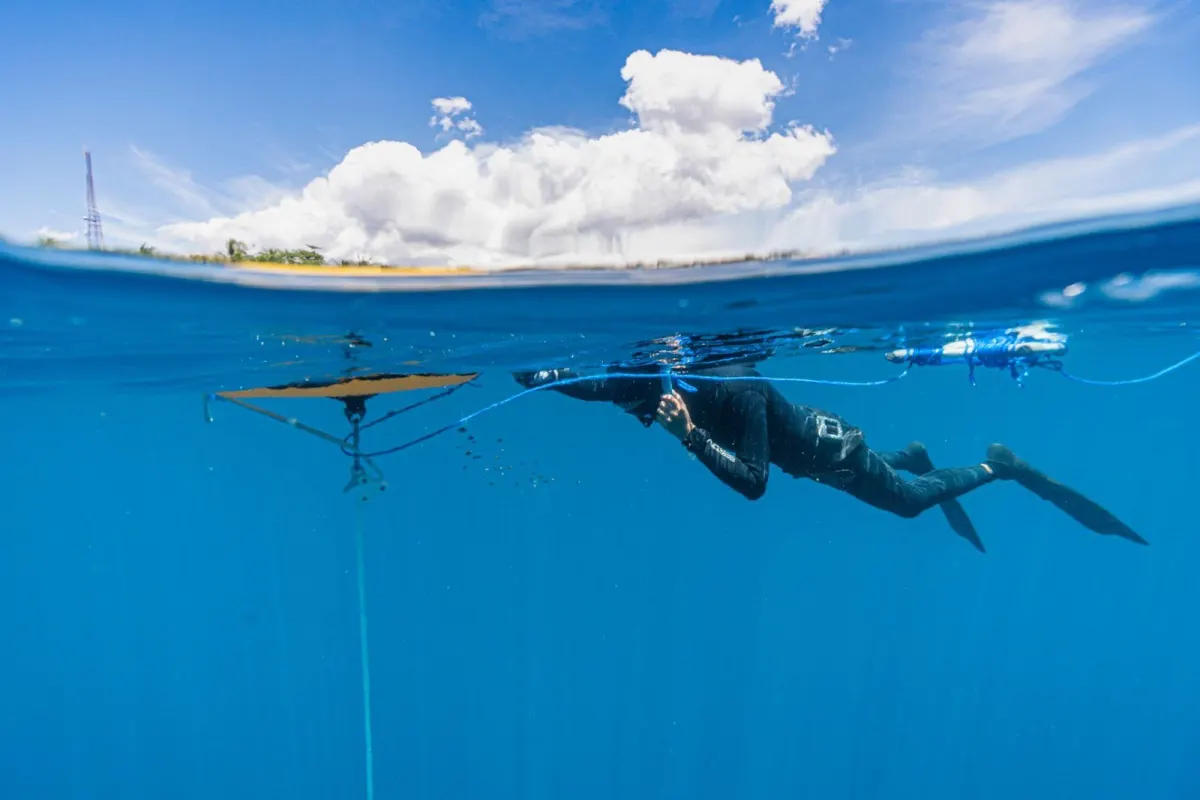
Komodo diving is shaped by fast, tide-linked currents that vary sharply between sites, so conditions—not just visibility or wave height—determine whether a dive is suitable. Official forecasts should be checked alongside site-specific guidance: BMKG reported a 1.6-knot current in Komodo National Park waters, while the park’s dive-site guide warns that some pinnacles require experienced divers.
Why are Komodo’s currents so important?
Currents can change the character of a dive even when the sea surface looks manageable. The Komodo National Park dive-site guide identifies sites with strong currents, down-currents, surge and drift-diving conditions, and links some entries to particular stages of the tide.
That means a site cannot be assessed from a single general weather reading. Divers and crews need the forecast, the tide, the intended entry point and the site briefing together.
What did the official marine forecast report?
For Komodo National Park waters, BMKG’s forecast valid from September 15 to September 18, 2026, reported easterly winds of 12 knots, gusts of 19 knots, waves of 1.7 metres and a west-southwest current of 1.6 knots, according to BMKG, 2026.
BMKG classifies waves from 1.25 to 2.5 metres as “moderate”, according to its marine-weather guidance, 2026. Wave height alone, however, does not describe the underwater current at a dive site.
Which dives need particular experience?
The park’s dive-site guide says some sites are exposed to strong currents or down-currents and recommends slack tide at one current-prone point. It also says one pinnacle dive should not be attempted by inexperienced divers, while another site’s potentially strong currents mean experienced divers should attempt the pinnacles.
The same guide describes drift diving as the usual method at one site and advises beginners to remain along a wall rather than swim to current-affected pinnacles. These are site-specific instructions, not a universal rating for every dive in the park.
How should conditions be read before entering?
A practical safety assessment starts with the latest BMKG marine forecast for the relevant waters, then checks the planned site’s current and tide characteristics in the park guide. A forecast for Labuan Bajo harbour should not be treated as a substitute for conditions around exposed reefs and channels.
For divers, the key question is not whether Komodo is generally diveable, but whether the current, tide, swell and entry plan match the group’s experience at that particular site.
Sources
Read next
More on this story
Marine & Diving
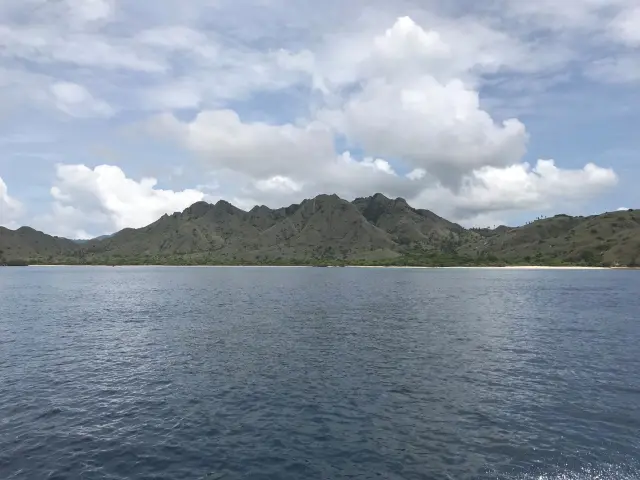
BMKG warns of moderate waves around Komodo through 26 September
BMKG warned of moderate waves in Komodo National Park waters from 23 to 26 September 2026. South Sumba could see 2.5-to-3-metre waves through 24 Septe…
Latest in Marine & Diving
Related