
Komodo Airport PPP: Changi–Cardig Concession Terms Explained
Indonesia’s 25-year PPP concession for Komodo Airport in Labuan Bajo was awarded to a consortium led by PT Cardig Aero Service and Changi Airports International at the end of 2019, with a cooperation agreement signed in February 2020 and…
By Mukmin John
Editor: Mursyid Sonsang
· Event date: · 4 min read
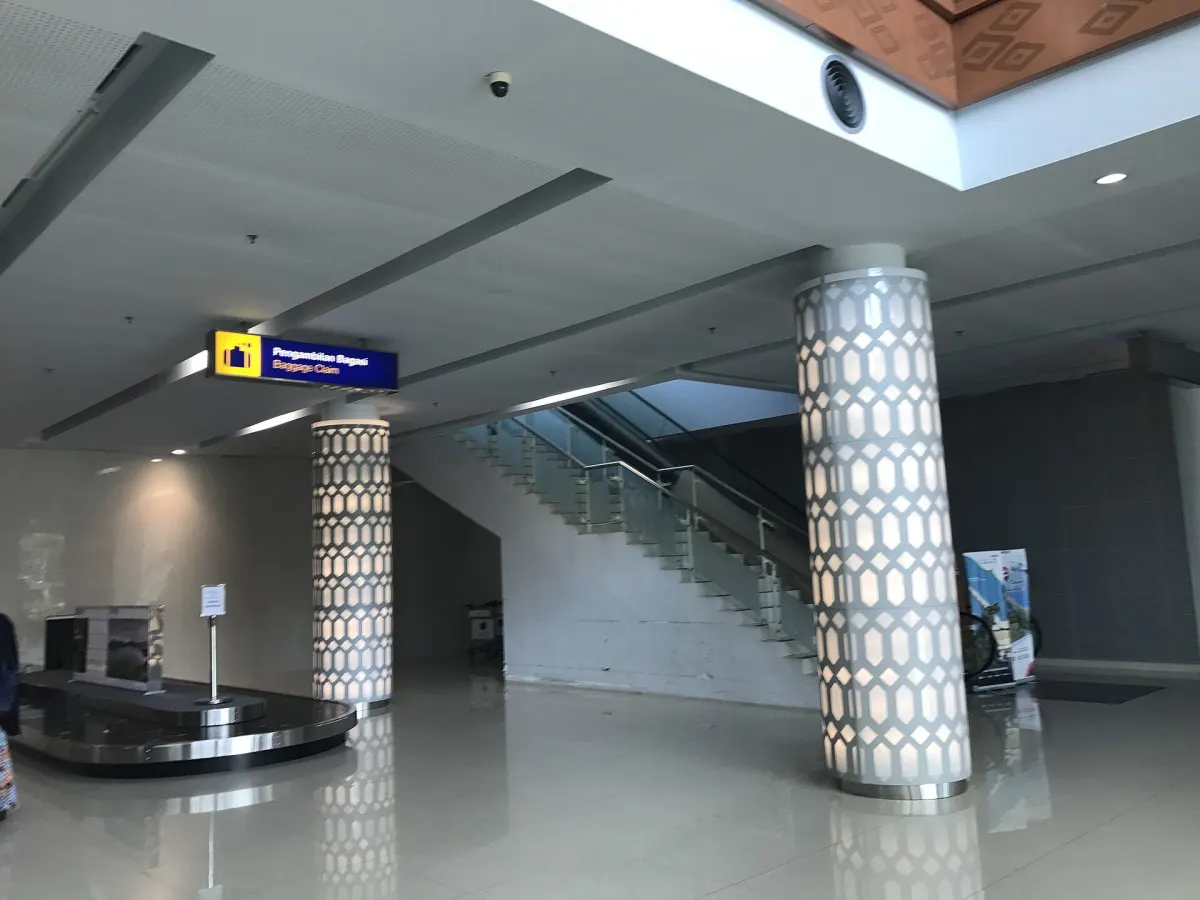
Labuan Bajo — Indonesia has formally awarded a 25-year public–private partnership concession to a consortium led by PT Cardig Aero Service and Changi Airports International to develop and operate Komodo Airport, with key agreements signed in early February 2020 following a tender concluded at the end of 2019.
The project uses the country’s Kerja Sama Pemerintah dan Badan Usaha (KPBU) scheme, a government–business cooperation framework intended to leverage private capital and expertise for infrastructure while keeping assets under state ownership. Komodo Airport, serving Labuan Bajo and access to Komodo National Park, is the first Indonesian airport PPP involving foreign investors according to finance and transport ministry-related reporting.
How the concession was awarded
According to an official statement from the Cabinet Secretariat, the Ministry of Transportation designated the Cardig Aero Service (CAS) consortium as winner of the Komodo Airport PPP tender in December 2019. The consortium consists of PT Cardig Aero Service Tbk, Changi Airports International Pte Ltd (CAI) and Changi Airports MENA Pte Ltd.
Media coverage in late December 2019 reported that Transportation Minister Budi Karya Sumadi announced the consortium as the successful bidder for the airport’s expansion and management, granting a 25-year concession to develop and operate Komodo Airport. The PPP covers design, build, finance, operate, maintain and transfer (DBOFMT) responsibilities.
On 7 February 2020, the Ministry of Transportation and PT Cinta Airport Flores (CAF), the implementing business entity representing the CAS consortium, signed the KPBU cooperation agreement for Komodo Airport. PT CAF is reported as being majority-owned (80 percent) by CAS, with CAI holding the remaining 20 percent.
Scope of investment and obligations
Government and media reports indicate total investment for the project of around Rp 1.2 trillion for capital expenditure, with a 25-year concession period. In addition, operational spending over the concession is cited at about Rp 5.7 trillion.
According to the Ministry of Transportation’s civil aviation directorate, the consortium is required to design, build and finance facilities on both airside and landside, operate the airport during the concession, maintain all infrastructure and facilities, and transfer them back to the government at the end of the term.
Several sources describe planned physical works including runway extension and strengthening, additional apron space and related airside safety infrastructure, as well as expansion of passenger terminal facilities. The government has linked the project to a target of up to 4 million passengers per year and 3,500 tonnes of cargo by 2044.
Concession payments and returns
Financial details reported by Indonesian business media state that the airport operator must pay an upfront concession fee of Rp 5 billion to the state, followed by an annual concession payment equal to 2.5 percent of Komodo Airport revenues, payable in two installments each year. Other reports refer more broadly to concession payments from the operator to the government without detailing the percentage or payment schedule.
According to coverage of the finance ministry’s guarantee for the project, the PPP structure is intended to attract private financing while shifting part of the investment and operational burden away from the state budget. The operator is expected to earn returns from airport operations, commercial activities and traffic growth over the concession period.
Local and tourism context
The government has promoted the Komodo Airport PPP as part of its strategy to develop Labuan Bajo as a priority national tourism destination. Official statements link the concession to improved connectivity and service quality, including potential for more domestic and international flights, though they do not specify particular new routes or airlines.
By 2044, the passenger and cargo targets tied to the PPP would represent a significant increase in traffic compared with current levels, supporting tourism, hospitality and related local businesses. However, available public documents and media reports do not detail firm commitments on local employment quotas, procurement rules or small-business participation at the airport.
As of the signing of the cooperation agreement in February 2020, Komodo Airport remained a state-owned asset operated under concession by the CAS–Changi consortium, with responsibilities and investment obligations laid out in the KPBU contract and associated guarantees.
Sources
Next story

BMKG Warns of 3.5m Waves off South Sumba Through 19 September
Indonesia’s BMKG maritime station in Kupang warns of moderate to high waves across key Nusa Tenggara Timur routes from 17 to 20 September 2026, with t…
Related