

Indonesia and OceanX deepen science-based management of seven marine parks
Indonesia’s Forestry Ministry is partnering with global ocean research organisation OceanX to strengthen science-based management of seven marine national parks through seabed mapping, biodiversity surveys and spatial data collection…
By Pandi Muktar
Editor: Mursyid Sonsang
· Event date: · 4 min read
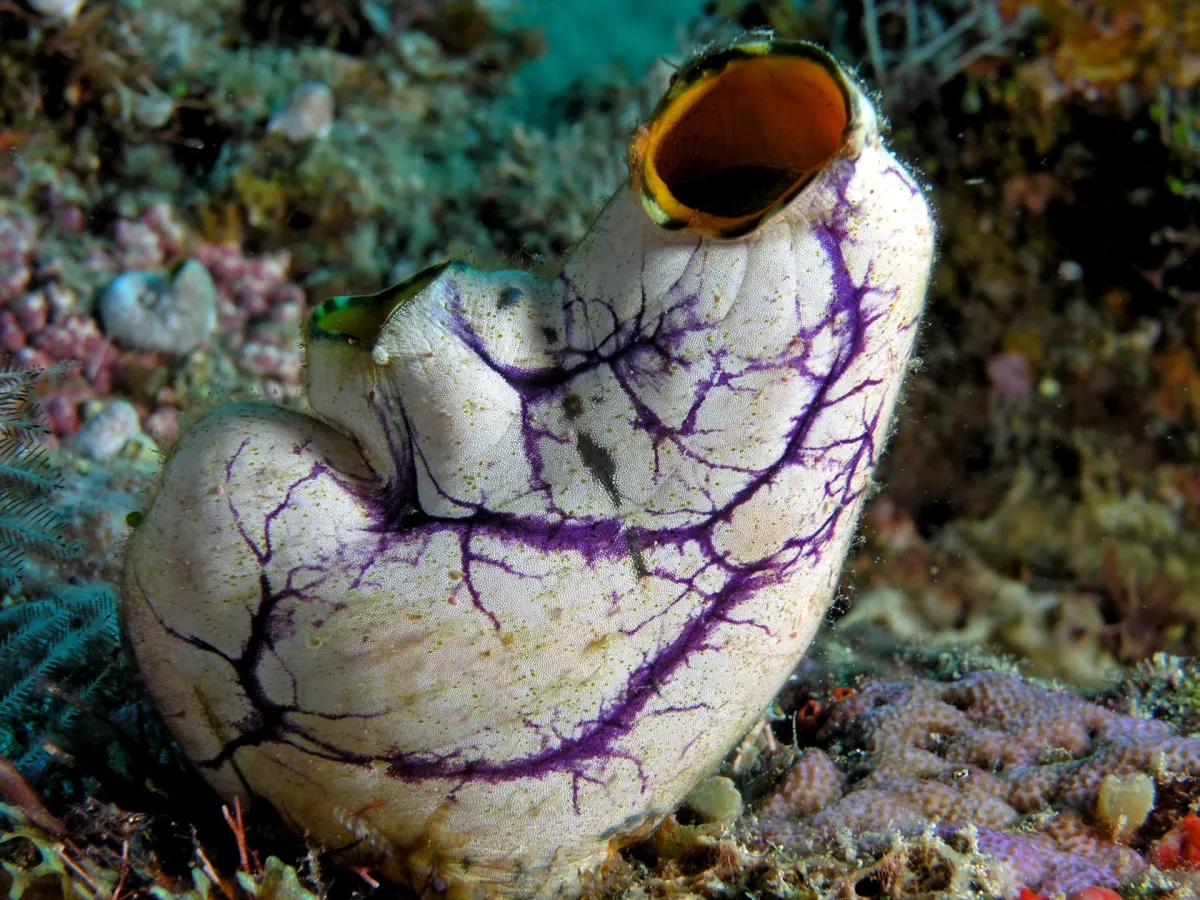
Labuan Bajo — — Indonesia is strengthening science-based management of seven marine national parks through a research collaboration between the Ministry of Forestry and global ocean exploration organisation OceanX, according to Indonesian government statements and regional media reports.
The initiative aims to expand marine ecosystem databases, improve seabed mapping and conduct biodiversity surveys in national marine parks to guide conservation and restoration policies. Forestry Minister Raja Juli Antoni has linked the programme to presidential directives to base conservation governance on robust data and scientific research.
According to the ministry, Indonesia manages seven national parks with significant marine ecosystems and high biodiversity: Wakatobi National Park, Thousand Islands (Kepulauan Seribu) National Park, Takabonerate National Park, Cenderawasih Bay National Park, Togean National Park, Karimunjawa National Park and Bunaken National Park.
Scope of the OceanX cooperation
The Ministry of Forestry has stated that OceanX will support the collection of spatial and biodiversity data across marine conservation areas under the cooperation framework. The collaboration is expected to include high-resolution seabed mapping, ecosystem surveys, environmental DNA (eDNA) analysis and deep-sea exploration using OceanX’s research vessel.
The ministry has emphasised that all data, samples and scientific information produced through the collaboration will remain the property of the Indonesian government and will be used to strengthen management, monitoring and policy planning for marine protected areas. The programme also includes capacity-building for Indonesian technical teams and park managers, as well as support for media documentation to showcase the importance of marine conservation.
In public remarks, Raja Juli Antoni has said the initial focus of the collaboration will be on priority ecosystems, with Komodo and Wakatobi mentioned during earlier discussions as starting points for baseline assessments before expanding to other marine parks. However, Komodo National Park is managed as a mixed terrestrial–marine park and is not listed among the seven marine national parks that form the core of the current programme.
Indonesia’s “magnificent seven” marine parks
A separate publication by the United Nations Development Programme describes the same seven sites as Indonesia’s main marine national parks, noting that they are managed under the leadership of the Ministry of Environment and Forestry in coordination with other agencies. These parks include coral reefs, seagrass beds and rich pelagic ecosystems that are central to Indonesia’s marine biodiversity and tourism economy.
The Forestry Ministry has characterised these seven parks as high-biodiversity areas where improved baseline data are needed to support ecosystem restoration, including coral reef rehabilitation. Cooperation with OceanX is expected to provide more detailed information on underwater terrain and species composition to inform zoning, enforcement and restoration work.
Related OceanX missions in Indonesia
Separately from the ministry collaboration on national parks, OceanX has partnered with Indonesia’s National Research and Innovation Agency (BRIN) on deep-sea expeditions in North Sulawesi and other regions. These missions, branded as the “OceanX–BRIN Collaborative Deep-sea Research and Capacity Building Program 2025,” have focused on characterising seamount chains, mapping deep-ocean habitats and documenting megafauna in northern Sulawesi waters.
One expedition known as Mission Leg 2 took place from 5–24 January 2026 in North Sulawesi, targeting one of the world’s most biodiverse yet least explored marine regions. Researchers reported confirming at least 14 megafauna species, including marine mammals, sharks and sea turtles, as part of the mission’s biodiversity assessments.
While these OceanX–BRIN activities are distinct from the Forestry Ministry’s national park programme, both lines of work reflect a broader push to use advanced ocean science, deep-sea technology and eDNA analysis to underpin Indonesia’s marine conservation strategies.
Sources
- Kementerian Kehutanan Perkuat Pengelolaan Taman Nasional Laut Berbasis Sains, OceanX Siap Berikan Dukungan
- Kemenhut Gandeng OceanX Teliti 7 Taman Nasional Laut Sesuai Arahan Presiden
- Indonesia steps up international cooperation to conserve national marine parks
- Indonesia Expands Science-Based Management of Marine National Parks
- The Magnificent Seven: Indonesia’s Marine National Parks
- OceanX and BRIN Launch Expedition to Study Indonesia's Hidden Seamount Worlds
- SITH ITB Lecturer and Alumni Join OceanX Deep-Sea Research Mission BRIN Leg 2 in North Sulawesi
- Riset BRIN dan Ocean-X Temukan Belasan Megafauna di Laut Sulawesi
- RI Cek Bawah Laut Sulut Kedalaman 4.500 M, Ungkap Temuan Tak Terduga
Next story

Wuring Father and Son Found Adrift After Losing Contact on Selayar Voyage
Two Wuring fishermen reported missing en route from Sikka to Karumpa Island in South Sulawesi’s Selayar Islands were found alive adrift between Sukun…