

Labuan Bajo MBG kitchen held up as circular waste model
Deputy Environment Minister Diaz Hendropriyono has cited Labuan Bajo’s SPPG Gorontalo kitchen as a circular-economy example for Indonesia’s Free Nutritious Meals programme, where food scraps and used cooking oil are reused instead of sent…
Editor: Mursyid Sonsang
· Event date: · 4 min read
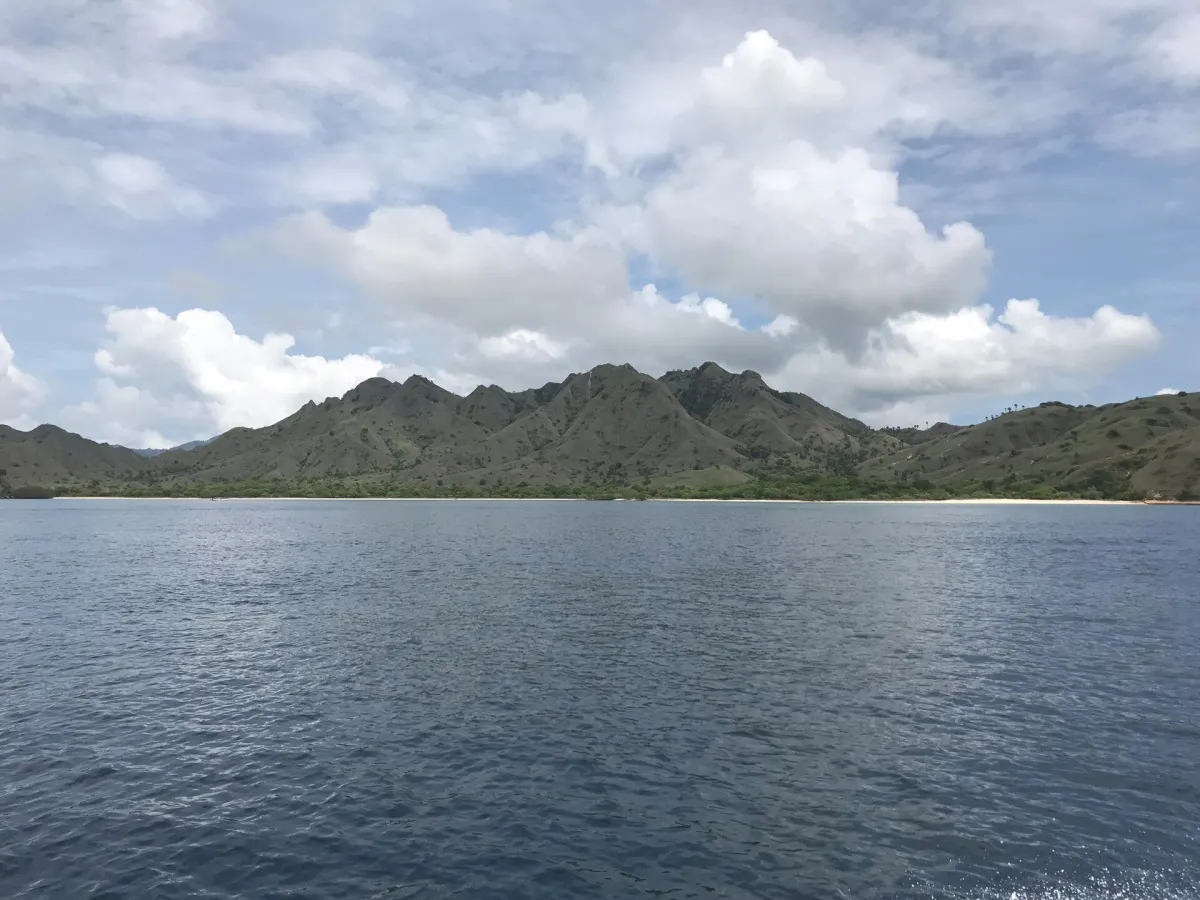
Labuan Bajo — — A nutrition-service kitchen in Labuan Bajo’s Gorontalo neighbourhood is being highlighted as a circular-economy example for Indonesia’s Free Nutritious Meals (Makan Bergizi Gratis, MBG) programme, with food scraps and used cooking oil repurposed instead of sent to landfill, according to national environment officials.
During a panel appearance at the Indonesia Net-Zero Summit 2026 in Jakarta on 1 August, Deputy Environment Minister Diaz Hendropriyono described Satuan Pelayanan Pemenuhan Gizi (SPPG) Gorontalo in Labuan Bajo as a “best practice” site where kitchen waste is managed locally and reused in line with surrounding conditions.
According to Hendropriyono, the SPPG Gorontalo kitchen serves the MBG programme and is able to manage its waste stream independently. He said leftover food is used as livestock feed, taking advantage of a nearby pig farm, while used cooking oil (known locally as minyak jelantah) is also collected and repurposed in ways that reflect local “wisdom and solutions”.
The deputy minister framed the Labuan Bajo example as part of a broader push to ensure MBG kitchens apply circular-economy principles so that food production, food waste and wastewater “do not burden the environment” but instead become new resources with economic and ecological value.
Waste kept out of Warloka landfill
Labuan Bajo, the capital of Manggarai Barat district, produces around 147 tonnes of waste per day, of which roughly 57 percent is currently being managed through collection and treatment systems, according to the district’s Environmental Agency.
The remaining waste is sent to Warloka, the area’s main landfill and final disposal site. Local officials have warned that continuing to rely on open dumping at Warloka without significant changes could cause the facility to fail within several years, underscoring the need to reduce volumes sent to the site.
In this context, Hendropriyono’s comments about SPPG Gorontalo emphasise that food leftovers from the MBG kitchen are not treated as residual waste bound for Warloka, but instead are diverted and reused as animal feed.
He also noted that used cooking oil from the Labuan Bajo kitchen is being captured rather than discarded, though he did not give operational details on storage, processing or end use.
Role in the MBG programme
The MBG programme is a national initiative to provide free nutritious meals through a network of SPPG kitchens across Indonesia. Official data from the National Nutrition Agency show hundreds of SPPG units verified for MBG operations in 2025, spanning multiple provinces.
Separate reporting from Nusa Tenggara Timur describes the SPPG Gorontalo kitchen in Labuan Bajo serving thousands of MBG beneficiaries at schools and local health posts, with an emphasis on using local ingredients such as rice, vegetables, chicken and fish sourced from nearby farmers and fishers.
During a visit in November 2025, the provincial deputy governor urged the kitchen to prioritise local produce as a way to support community livelihoods while maintaining the nutritional quality of the meals.
Model for other SPPG kitchens
Hendropriyono told the Net-Zero Summit audience that his office aims to assist SPPG kitchens nationwide so they can build “circular ecosystems”, taking the Labuan Bajo site as an example of how food waste and used oil can be integrated into local resource loops instead of becoming environmental burdens.
He said different regions could develop their own waste-management models based on local conditions, pointing to the presence of pig farming near SPPG Gorontalo as one factor enabling the reuse of kitchen leftovers there.
The deputy minister did not disclose daily waste volumes, the exact number of meals produced at the Labuan Bajo kitchen or whether private contractors are involved in its waste handling.
However, his remarks positioned the Gorontalo MBG kitchen as an example that other SPPG sites could learn from, especially in regions where landfill capacity is under pressure and authorities are looking for ways to cut the share of waste sent to facilities such as Warloka.
Sources
- Mitra Indonesia – "KLH Berkomitmen Dampingi Program MBG Terapkan Ekonomi Sirkular"
- Badan Gizi Nasional – "SPPG Bulan Maret"
- Labuan Bajo Terkini – "Target Bersih Hijau, Labuan Bajo Kelola 57% dari 147 Ton Sampah Hari"
- Detik Bali/Nusra – "Pemkab Manggarai Barat Khawatir TPA di Labuan Bajo Jebol"
- Lintas NTT – "Wagub NTT Tinjau Operasional Dapur MBG di SPPG Gorontalo"
Next story
Manggarai Barat Restricts Official Activity in 64 Election Villages
Manggarai Barat has barred official government activity in villages holding simultaneous village-head elections from Sept. 23-29, 2026, while keeping…